Construction Presentations That Selection Panels Remember

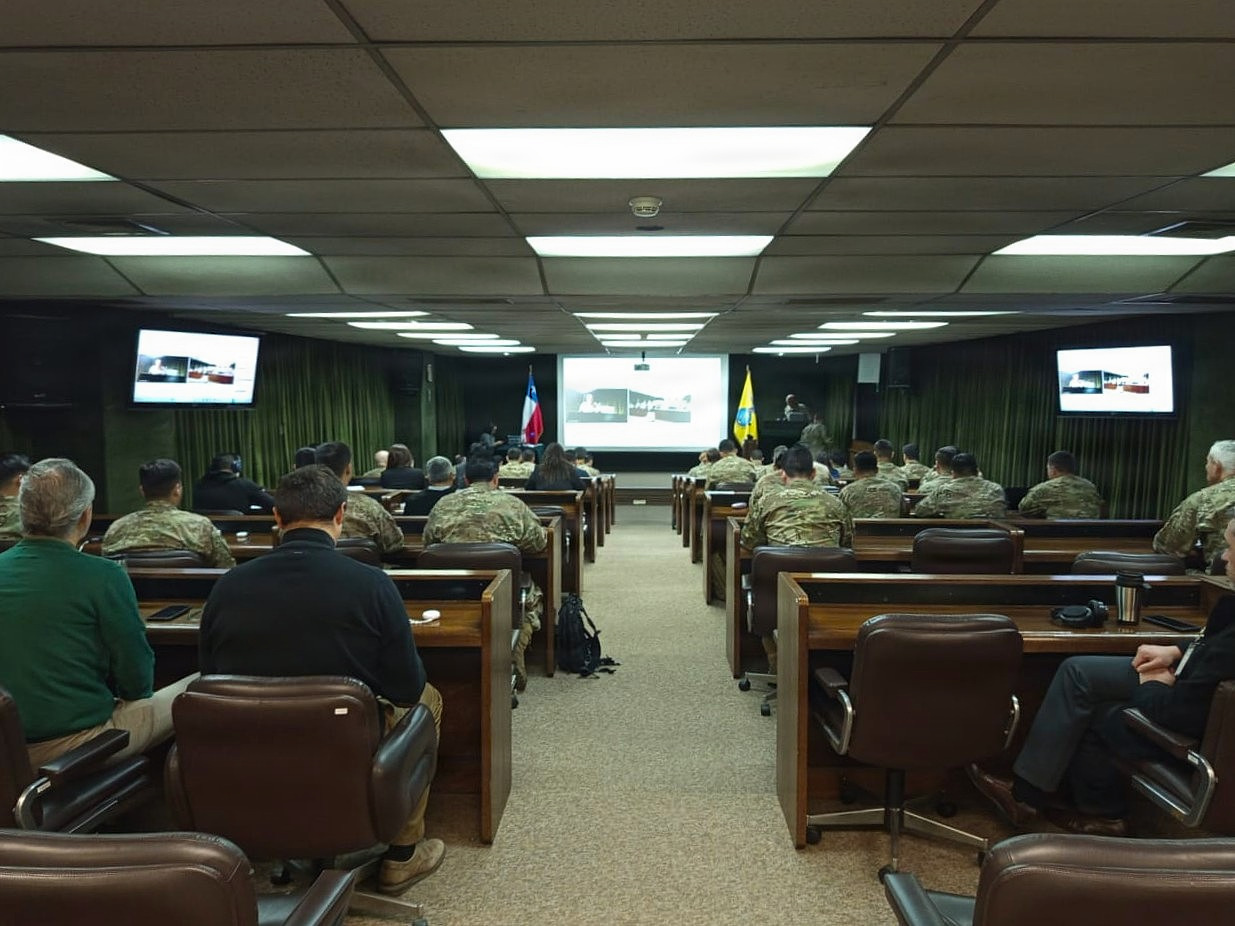
Construction presentations tend to blur together. Panels sit through several firms in a day, each showing a logo slide, a project list, a safety record and a team organization chart. The firms that stand out are rarely the ones with the best graphics. They are the ones whose presentation made the owner feel that this team understood the project and had already started thinking about it.
Open with the Owner's Problem
The most common structural mistake is beginning with the company. Panels already read the proposal and know the firm's history. A stronger opening names the owner's top concern, whether that is schedule certainty, working around an occupied facility or controlling cost in a volatile market, and says briefly how the team will address it.
That opening sets the frame for everything that follows. Each later section can be judged against the problem the panel itself raised.
Choose Fewer Projects and Explain Them
Contractors usually have more relevant experience than the time allows. Presenting twelve projects with one line each shows breadth but little understanding. Presenting two or three with a specific challenge, a specific response and a measurable result shows judgment.
Lessons learned are especially persuasive. A team that says what went wrong on a previous job and what it changed afterward earns more trust than one that presents a perfect record.
Make the Team Visible
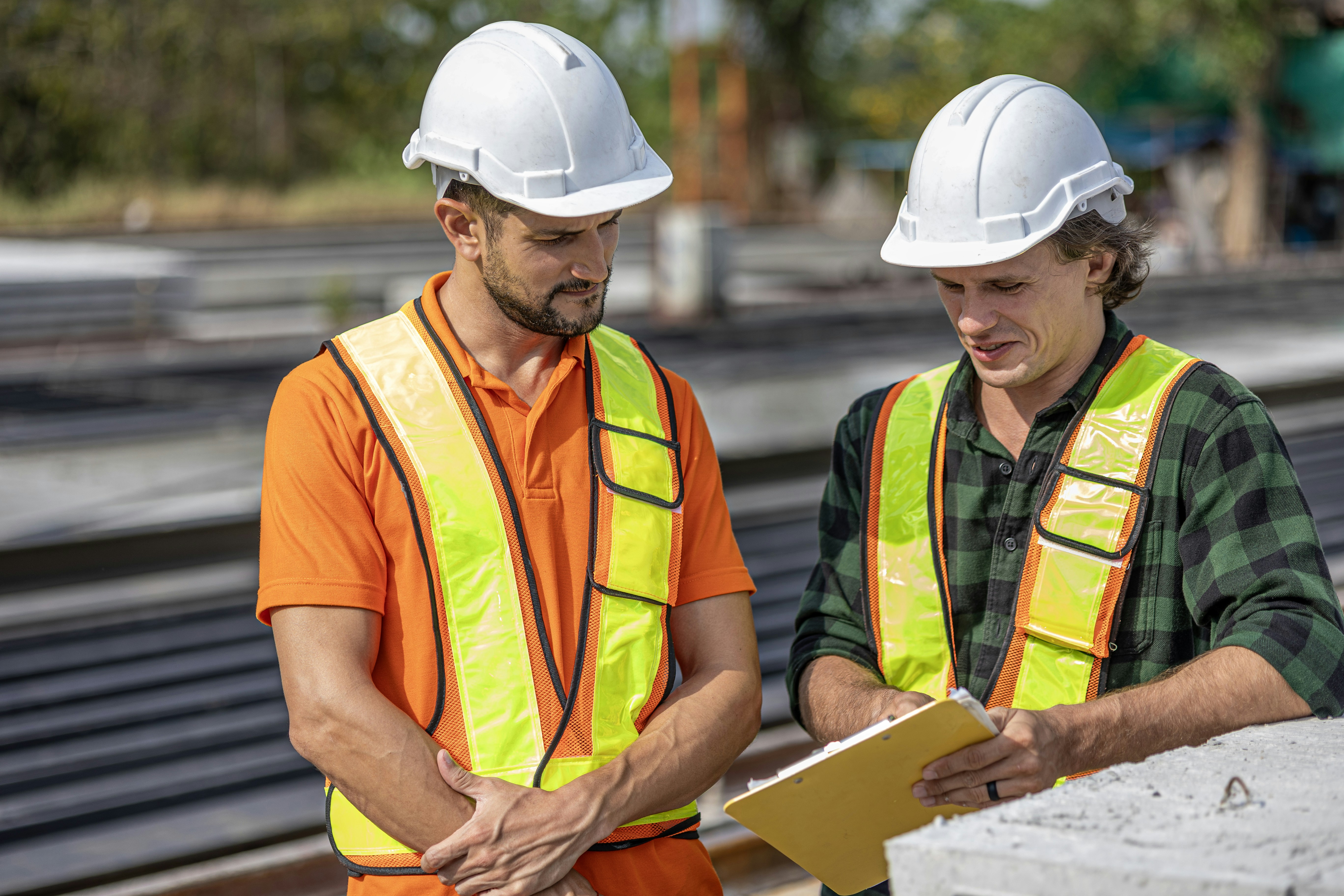
Selection panels hire people as much as firms. The project manager and superintendent who will actually run the job should have a visible role in the presentation, speaking about the parts of the work they will own. Organization charts matter less than hearing how those individuals think.
Continuity is a frequent concern. Naming how long each key person has worked together, and on which projects, answers the question before the panel asks.
Keep Slides in Service of the Speaker
Slides crowded with text pull the audience into reading while the speaker talks. Strong construction presentations use short phrases, strong images and diagrams that make a point at a glance. A site logistics diagram, a simple schedule graphic or a photo of a similar completed project does more than a paragraph of bullets.
Rendering and animation can help when the panel needs to see how the project will be built, particularly on complex sites. They should be brief and tied to a decision the panel cares about.
Prepare for the Hard Questions
Question time is where construction teams sometimes lose ground. The questions often concern risk: a design that is still evolving, a market that is changing, a subcontractor that may fall through. Teams that rehearse answers aloud, with a direct statement first and an example second, handle them more calmly.
Agreeing in advance who answers each category of question keeps the team from talking over one another or leaving a long silence.
Rehearse Enough
Many teams rehearse once and then rely on the slides. Two or three structured rehearsals, with at least one run in front of someone who was not involved in preparing the deck, reveal timing problems and unclear sections. Recording a run and watching it together is uncomfortable and effective.
Leave Something Behind
A short leave behind, such as a one page summary of the team's approach, gives panel members something to refer to when they score. It should restate the three or four ideas the team wants remembered, in plain language.
The Bottom Line
Construction presentations succeed when they begin with the owner's concerns, show selected experience in depth, put the real team in front of the panel and treat slides as support for the speaker. Preparation separates the teams that handle questions well from those that do not. Firms that approach the interview this way give panels a clear reason to remember them.