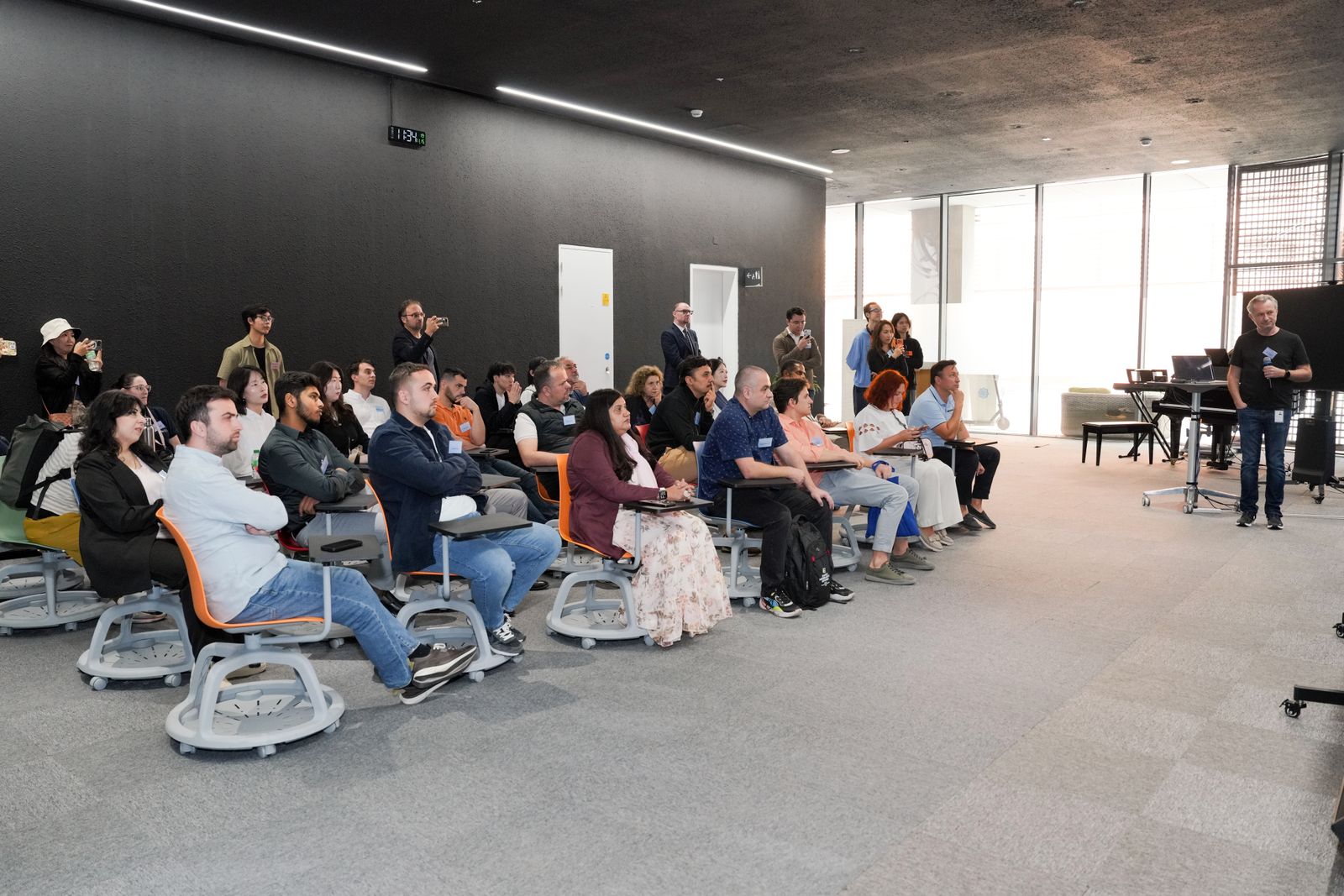
Presenting Preconstruction Services So Owners See the Value Before Groundbreaking

Owners often view preconstruction as a line item they must accept before the real work starts. Contractors who treat it the same way miss the best chance to differentiate themselves. The preconstruction phase is where budgets are tested, risks are named, and trust is built, and a presentation that makes this visible can win a project before bidding opens. This post covers how to present preconstruction services so that the owner sees the value in concrete terms. Contractors who do this well tend to share a habit. They prepare the preconstruction portion of a presentation as carefully as the portion about the building, and they rehearse it with the people who will actually deliver the services.
Lead with what the owner will see
Start the presentation by showing the deliverables the owner will receive and when. A budget update at each design milestone, a constructability review, a risk register, and a schedule with long-lead procurement dates are all things an owner can hold. Naming them early turns an abstract service into a list of outputs, and it helps the owner picture the weekly rhythm of working together.
Use a past estimate to show the method
A single example is more persuasive than a description of process. Show how a prior project's early estimate changed through design, which decisions drove cost up or down, and how the team communicated those choices. Include the final variance against the first number. Owners are comparing firms on their ability to be accurate and candid, and a real example demonstrates both.
Make risk specific
General statements about managing risk do not stand out. Pick the two or three risks that matter most on this project, such as site conditions, utility relocation, or a constrained supply chain, and explain what preconstruction will do about each. Show who is responsible, what data is needed, and when the owner will be asked to decide. This signals that the team has read the documents and thought about the job.
Introduce the people who do the work
Preconstruction relies on a small number of estimators, schedulers, and managers. Put them on a slide, state their roles, and describe how many hours per week they will give to the project. Owners are wary of teams that sell with senior leaders and staff with juniors. Clear commitments show that the people in the room are the people on the job.
Close with the first thirty days
End with a plan for the first month: kickoff workshop, document review, site visit, and first budget checkpoint. A near-term plan makes the next step easy for the owner to approve and shows the team is ready to start.
Show how decisions get made together
Owners want to know how disagreements will be handled before they happen. Describe the cadence of meetings, how options are priced and presented, and who has authority to approve a change. A simple decision log, shown on screen as an example, communicates a lot about the discipline of the team. It also reassures the owner that nothing will be decided quietly. Include one story about a time the team recommended against its own preferred approach because it served the owner better. Candor of this kind is memorable and builds credibility beyond what a list of qualifications can offer.
The Bottom Line
A strong preconstruction presentation makes the work visible. It shows deliverables, a real example of method, specific risks, committed personnel, and a clear first month. Owners who can see that structure are more willing to pay for the phase and more likely to select the contractor who explained it best.